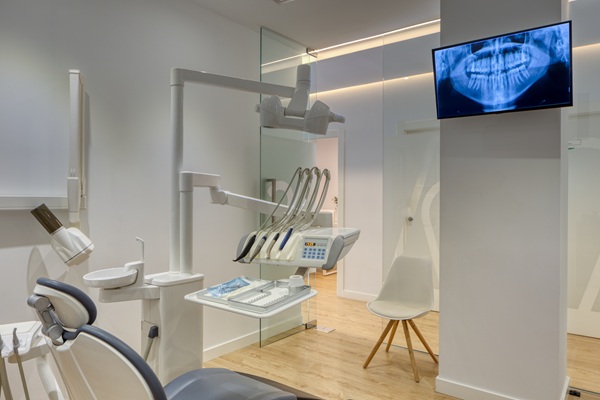
Visiting an endodontic office for the first time can be an unfamiliar and intimidating experience. However, knowing what to expect can simplify the entire treatment process, ensuring that it meets your dental needs. An endodontic office specializes in diagnosing and treating issues related to the dental pulp and tissues surrounding the roots of teeth. Common reasons for referral to an endodontic practice include root canal therapy, retreatment of a previous root canal, or an in-depth.
Initial evaluation and diagnostic process
The initial visit to an endodontic office typically begins with a comprehensive review of the patient's dental and medical history. This information helps the endodontist understand any relevant background information that may impact the treatment process. They may ask the patient to provide information about current medications, existing medical conditions, and previous dental procedures. During the evaluation, the endodontic team may also take digital images to allow the endodontist to get a detailed view of the affected tooth and surrounding tissue.
Clinical assessment and treatment planning
After reviewing the diagnostic images, the endodontist performs a clinical examination. This includes testing the health of the affected tooth using thermal or electric pulp tests. With this, they can assess any swelling, tenderness, or sensitivity. The endodontist will explain the diagnosis, discuss the patient's treatment options, and address any questions or concerns the patient may have. This consultation can ensure that each individual understands the condition of the tooth and the recommended course of action.
Root canal therapy: what to expect
The endodontist may perform root canal therapy during the same appointment, depending on the complexity of the case and the severity of the patient's symptoms. They will numb the area using a local anesthetic to ensure the patient feels comfortable. Once the area is numb, the endodontic team will use a rubber dam to isolate the tooth and maintain a sterile environment.
Then, the endodontist will remove the infected or inflamed pulp. Once removed, they will carefully clean and shape the canals and then fill the space with a biocompatible material (gutta-percha). In most cases, the endodontic team will place a temporary filling to protect the tooth from further infection. The patient will likely need to schedule a follow-up appointment with a general dentist to place a permanent crown, restoring the tooth's everyday function and strength.
Aftercare and follow-up visits
The endodontist will provide post-procedure instructions before leaving the endodontic office. These guidelines may include:
- Pain management recommendations
- Restricting physical activity or heavy labor
- Oral hygiene guidelines during recovery
- Dietary restrictions
- Possible complications
Most patients can resume their normal activities shortly after treatment, although mild discomfort or sensitivity may persist for the first few days following the procedure.
Additionally, patients may need to schedule follow-up care to ensure they are healing properly. The endodontist may schedule a future visit to monitor the patient's healing progress or collaborate with the referring dental provider to complete the restoration process. Communication between providers helps ensure continuity of care and the patient's long-term success.
Schedule a consultation at our Nashville office
Your first visit to an endodontic office is designed to provide you with the thorough care and communication you need to preserve your natural smile. The Sheats Endodontic Group team is dedicated to making the process as simple as possible. Call our Nashville office to learn more about our practice or to schedule a consultation.
Request an appointment here: https://www.sheats-endo.com or call Sheats Endodontic Group at (615) 526-2495 for an appointment in our Nashville office.
Recent Posts
When you experience intense tooth pain, immediate treatment from a same-day endodontist provides the relief you need to protect your oral health and save your smile. Seeking professional attention ensures that the underlying issue receives targeted care before the damage spreads to other areas of your mouth. Fast relief prevents severe complications and restores your…
A dental trauma center can provide urgent care for broken, loose, displaced, or knocked-out teeth. Whether the tooth was injured in a sports injury, fall, or other non-life-threatening accident, patients can access prompt treatment at these centers to restore oral health and comfort. In fact, seeking immediate care from a team that specializes in traumatic…
Most people experience tooth pain or sensitivity at some point. Still, an assessment from an endodontist is advisable in response to four telltale signs that indicate a possible tooth infection.Endodontists are dentists who have advanced training to diagnose and treat pain stemming from infection inside a tooth. These dentists frequently perform root canal procedures that…
A non-surgical root canal helps preserve a tooth when the inner pulp becomes inflamed or infected. This type of treatment removes harmful bacteria without the need for surgery, making it a reliable option for preserving natural teeth. The non-surgical root canal process focuses on cleaning, disinfecting, and sealing the inside of the tooth to prevent…