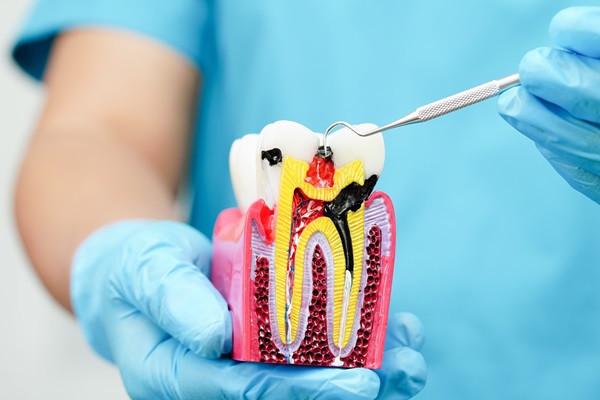
In many cases, root canal recovery is even simpler than the procedure itself. Patients who are nervous about their upcoming procedure have nothing to fear, as they will be able to return to their normal lives afterward. A root canal is an essential procedure that entails saving a patient’s tooth and keeping it functional over the long term. After a simple recovery, most patients are pleased with the results.
Recovering from a root canal
While a root canal does require the dentist to access the innermost part of the tooth (the pulp chamber) and remove the blood vessels and nerves inside, this is a much simpler process than it sounds. Once the procedure is over, patients can expect to go home right away, though they should still plan ahead for the best recovery. After a root canal, patients should expect the following.
The first day
On the day of the root canal and 24 hours afterward, most patients will feel slightly sore once the numbing wears off. This discomfort is not from the tooth itself, as it no longer has nerves. Instead, it arises from general irritation in the area, since the tissues were exposed to vibrations and pressure during treatment.
Over-the-counter pain medication can make these first 24 hours manageable. Be sure to plan for a restful day: Avoid exercise, and try to lie down to give the body a chance to begin healing. If pain or throbbing persists, keep the head elevated to decrease blood pressure at the site of the root canal.
The first week
Most patients report that they feel back to normal a few days after their procedure, but recovery can last a little longer for more complex root canals, especially apicoectomies. These entail the endodontist performing a root canal through the tip of a tooth’s root. Sticking to a soft food diet can avoid aggravating the surrounding tissues. If any swelling persists, apply an ice pack to the face (not inside the mouth) for 15 minutes on and 15 minutes off.
Over the long term
Once a root canal has been performed and the gums around the area have recovered, patients can expect their tooth to function normally over the long term. The teeth on either side of the affected tooth may be slightly more sensitive for a week or two after a root canal, as their nerves may have been agitated during the procedure. However, since the treated tooth was stripped of its nerve endings, no further pain should be present over the long term.
Schedule a root canal as soon as possible
If you are facing the possibility of a root canal, rest assured that recovery is simple, and you will get to go back to your normal routine quickly. Please contact our office today in order to schedule your root canal or to learn more about the best ways to prepare for recovery.
Request an appointment here: https://www.sheats-endo.com or call Sheats Endodontic Group at (615) 526-2495 for an appointment in our Nashville office.
Recent Posts
Emergency root canals can relieve pain, address infection, and preserve the natural tooth structure whenever possible. While only a dental provider can determine whether this treatment is needed, it is important to know the warning signs that you may need one. That way, you can act fast should you need this tooth-saving treatment from an…
Visiting a root canal dentist for the first time can seem intimidating, but understanding what to expect can ease any concerns. A root canal is a common procedure that helps save a damaged or infected tooth by removing infected tissue, cleaning the area, and sealing it. Proper preparation for the appointment ensures the process is…
When you experience intense tooth pain, immediate treatment from a same-day endodontist provides the relief you need to protect your oral health and save your smile. Seeking professional attention ensures that the underlying issue receives targeted care before the damage spreads to other areas of your mouth. Fast relief prevents severe complications and restores your…
A dental trauma center can provide urgent care for broken, loose, displaced, or knocked-out teeth. Whether the tooth was injured in a sports injury, fall, or other non-life-threatening accident, patients can access prompt treatment at these centers to restore oral health and comfort. In fact, seeking immediate care from a team that specializes in traumatic…